Queensland Casinos: Hotels, Dining and Visit Details
 Available in AU
Casino-related listings can blur accommodation, venue services and online gambling; this guide keeps those distinctions clear.
Table of Contents
- Casino Hotels: Rooms, Stays and the Limits of What Can Be Confirmed
- Poker Rooms and Tournaments: Venue Searches, Not Online Pokies
- Breakfast, Buffets and Rewards: What the Search Terms Do—and Don’t—Establish
- Online Casino Searches and the Australian Legal Boundary
- Accommodation Near a Queensland Casino
- Finding Casino Contact Details Without Guesswork
- Opening Hours, Events and the Casino’s Public Calendar
- Spa, Dress Code and Other Visit Details
- Restaurants at Queensland Casinos
- Food Courts and Pools: Amenities the Facts Don’t Confirm
Casino Hotels: Rooms, Stays and the Limits of What Can Be Confirmed
A casino hotel is a particular kind of promise: a room and a gambling venue presented as parts of one stay. The phrase can suggest that guests move between them without leaving the building, or that accommodation is operated by the same business as the casino. Yet a name joining “casino” and “hotel” does not, by itself, establish either arrangement. The distinction is practical, not merely grammatical.
For Queensland, accommodation should be understood in those terms rather than inferred from a broad label. A hotel within a casino complex, a hotel managed by the same operator and an independent hotel in the surrounding area are different things. They may appear together in travel listings, but proximity and shared ownership are not interchangeable. Nor does the presence of a casino somewhere in a property’s description prove that rooms are available there.
The same care applies to room searches. A result may refer to accommodation, a venue, or a package assembled by a third party. “Casino hotel rooms” can sound like a category with a settled inventory behind it; in practice, the phrase alone says nothing about room types, views, accessibility, bedding, inclusions or whether a booking is currently offered. Those details belong to a specific property and a specific reservation, not to the general idea of a casino hotel.
Choosing an online casino for Queensland means checking the available facts before deciding whether an option suits you. This list provides a concise reference to the information supplied for each operator.
Payout speed: crypto under 1 hour, PayID 1-3 business days · Min. deposit: A$20 (A$30 to qualify for the bonus) Ricky Casino lists crypto payouts in under an hour and PayID payouts in 1–3 business days. The minimum deposit is A$20, or A$30 to qualify for the bonus.
License: Curacao Gaming Control Board OGL/2023/176/0095 (Hollycorn N.V.) Neospin is listed with a Curacao Gaming Control Board licence, OGL/2023/176/0095, held by Hollycorn N.V.
License: Curacao · Payout speed: crypto 30-60 minutes, fiat 1-5 days · Min. deposit: A$10 Wild Tokyo lists crypto payouts in 30–60 minutes and fiat payouts in 1–5 days. Its minimum deposit is A$10.
License: Curacao Gaming Control Board OGL/2023/174/0082 (Dama N.V.) SpinsUp is listed with a Curacao Gaming Control Board licence, OGL/2023/174/0082, held by Dama N.V.
License: Tobique Gaming Commission · Payout speed: crypto ~10-15 minutes, fiat 1-5 days · Min. deposit: A$30 SkyCrown lists a Tobique Gaming Commission licence. Its stated payout times are around 10–15 minutes for crypto and 1–5 days for fiat, with a A$30 minimum deposit.
License: Curacao – Antillephone N.V. (Versus Odds B.V.) · Min. deposit: EUR 20 Thor Casino is listed as licensed in Curacao by Antillephone N.V. (Versus Odds B.V.). Its minimum deposit is EUR 20.
License: Curacao Gaming Authority (Jumpman Gaming Ltd) DragonSlots Casino is listed with a Curacao Gaming Authority licence, with Jumpman Gaming Ltd named in the supplied licence information.
License: Curacao eGaming (Roby Games Ltd) Roby Casino is listed with a Curacao eGaming licence, with Roby Games Ltd named in the supplied licence information.
License: Curacao OGL/2024/1335/0780 · Min. deposit: EUR 20 Vegaz Casino is listed with Curacao licence OGL/2024/1335/0780. Its minimum deposit is EUR 20.
License: Curacao Gaming Control Board (TechSolutions Group N.V.) Bizzo Casino is listed with a Curacao Gaming Control Board licence, with TechSolutions Group N.V. named in the supplied licence information.
Hotel deals require even more precision. A low displayed price can depend on dates, availability, cancellation terms or conditions attached to a package. A deal is not a permanent feature of a venue, and a casino’s name beside a hotel offer does not necessarily mean the casino operates the accommodation. Booking language has a way of compressing these distinctions until a nearby bed and an integrated resort seem like the same product. They are not.
That matters especially in Queensland, where the state is large and a broad regional label can conceal substantial differences between locations. A stay described as being “near” a casino may involve a separate property and a separate journey. A hotel advertised alongside casino information may simply be one option among many in the area. Without a precise property name and current booking details, there is no sound basis for treating the listing as a casino hotel, or for comparing its terms with those of another stay.
A useful description of a genuine casino-hotel arrangement would make the relationship plain. It would identify the accommodation provider, show where the rooms are, and state whether the casino is part of the same complex or merely nearby. The booking conditions would then clarify what is included and what is not. These are ordinary distinctions in travel, though the casino label can make them seem less ordinary than they are.
There is also a difference between a hotel’s own room inventory and a package sold through a travel intermediary. One may have its own cancellation rules and room descriptions; the other may bundle separate services under a single price. Neither format is inherently better. What matters is knowing which business is responsible for the room and which terms govern the reservation. A polished package title cannot answer that question by itself.
For a stay planned around a casino, the most dependable description is the most literal one: a room at a named hotel, with the relationship to the casino stated clearly. If the accommodation is on the same site, that can be described as such. If it is elsewhere, “nearby” is the more accurate category. The difference affects expectations about convenience, transport and who handles a booking problem.
Queensland’s casino-hotel label, then, is not a substitute for a property-level description. A room is a specific offer, with a location, provider and terms. A deal is specific too, and changes with the booking conditions. The category may help organise a trip; it cannot do the work of confirming what is being sold.
Poker Rooms and Tournaments: Venue Searches, Not Online Pokies
A poker room and an online poker game may share a name, but they belong to different settings. The first is a physical venue: a place associated with tables, organised play or both. The second is a service accessed over the internet. Treating them as interchangeable turns a useful distinction into a muddle, particularly in Australia, where the legal position for online casino games is restrictive.
Attention: In Australia, the legal position for online casino games is restrictive, making a physical poker venue and an internet casino service distinct products.
A reference to poker at a Queensland casino is not, by itself, evidence of a particular room, game or tournament. Those are separate details, each requiring its own current venue information. A poker room might describe a dedicated playing area; a tournament implies a scheduled event, with its own format and entry conditions. Neither follows automatically from the other. A venue could be discussed in connection with poker without a tournament being listed, and a tournament announcement would not establish that regular poker sessions are available.
That distinction matters because event information changes. A dated listing can identify a tournament’s time and terms; a general venue description cannot stand in for that schedule. Likewise, a tournament title or promotional mention is not a reliable substitute for the conditions that govern participation. In practical terms, the useful unit is not the phrase “poker room” but the specific, current information attached to a particular venue and event.
“Casino rooms” is also an ambiguous expression. It can mean accommodation, as in the search for rooms at a casino, or it can be read as an interior space where gaming takes place. In a poker context, the latter may be intended, but the wording alone does not settle it. A room for play is not a hotel room, and neither phrase confirms what is operating at a given property. The language is familiar; the details still need to be concrete.
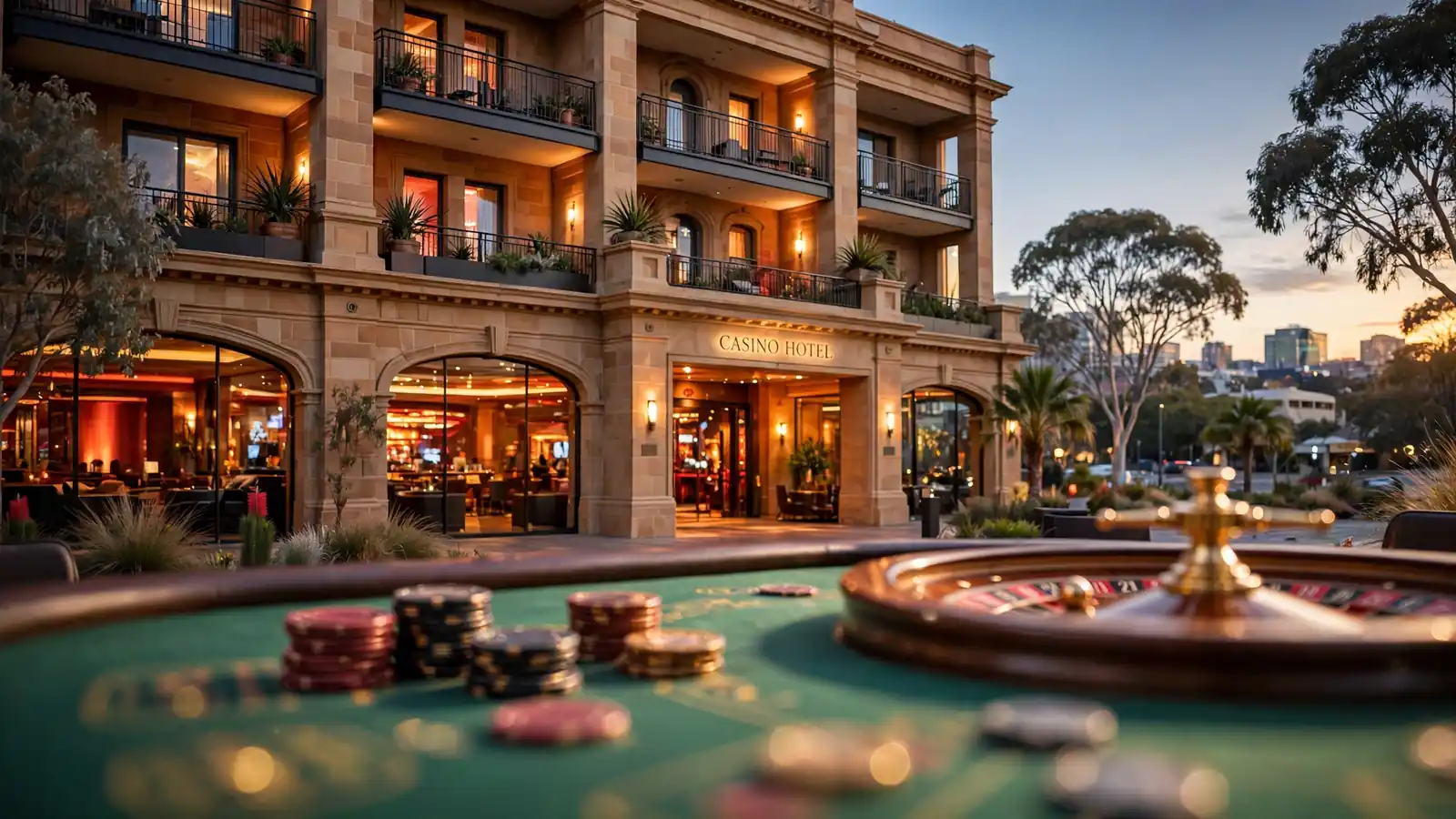
The sports-bar variation belongs to yet another category. A bar associated with a casino is not a poker room, and the presence of one would not establish that poker is offered there. Nor does a general reference to a casino’s entertainment spaces answer whether a particular event is taking place. These labels often gather unlike things under one broad idea of a night out. The distinctions are less glamorous than the idea. They are more useful.
The online boundary is not merely a matter of terminology. Under the Interactive Gambling Act, operators based in Australia are restricted from offering online casino games such as pokies, blackjack and roulette. A physical poker venue and an internet casino service should therefore not be treated as two versions of the same product. One points to an in-person setting; the other raises a separate question about online services and Australian law.
That legal point should not be stretched into claims about a Queensland venue’s poker schedule or facilities. It explains the difference between online casino games and a physical venue search; it does not establish which poker games are available at any location. Nor should a page about poker rooms be read as an event calendar. A tournament needs a current listing, and a room needs a clear venue reference.
For anyone comparing descriptions, the reliable signals are specific ones: the venue named, whether the information refers to poker or another activity, and whether an event notice gives current details. Broad labels can suggest what a listing is about, but they cannot fill in the particulars. Poker, after all, is a game of information. The venue description ought to be as precise as the game requires.
- Use specific venue names
- Check for current event notices
- Verify current venue information
- Rely on broad labels
- Use general venue descriptions for schedules
- Treat tournament titles as fixed conditions
Breakfast, Buffets and Rewards: What the Search Terms Do—and Don’t—Establish
Breakfast and buffet language can make a casino sound like a destination organised around the table as much as the gaming floor. A resort label suggests a broader stay; a rewards programme suggests a relationship that continues after a visit. These are familiar pieces of hospitality vocabulary, but the words alone do not establish what a particular Queensland venue serves, whether breakfast is available, or what a rewards scheme includes.
That distinction matters because a buffet is not simply another name for a restaurant, and “resort” is not a menu. A breakfast listing would need to identify the venue and the service being described; a buffet claim would need current details about what is served and when. Without those particulars, it is safer to treat such terms as clues to what people hope to find, not as a description of a confirmed offer. Food is a practical matter, not decorative copy.
Rewards require a different kind of scrutiny. The word can cover many arrangements, and it says little by itself about eligibility, points, redemption or exclusions. Nor does a welcome offer necessarily amount to a straightforward benefit. Bonus terms may include wagering requirements, maximum cashout limits, or clauses that allow winnings to be voided. The attractive headline and the conditions beneath it are part of the same offer.
Free spins are one example of why the fine print changes the meaning. A report published on psu.com describes wagering requirements of 20x to 50x on winnings from free spins before withdrawal. That is a reported range, not a promise about every offer or a fixed rule across the market. The important point is that winnings may not be immediately withdrawable: the applicable terms determine what must happen first.
Those terms may also specify how different games count toward a requirement. Pokies typically contribute their full stake toward wagering requirements, but that does not erase the requirement itself. It describes contribution, not a guaranteed path to withdrawal or a measure of the value of a promotion. A reward can be usable and still come with conditions that narrow its practical value. Small print does the heavy lifting.
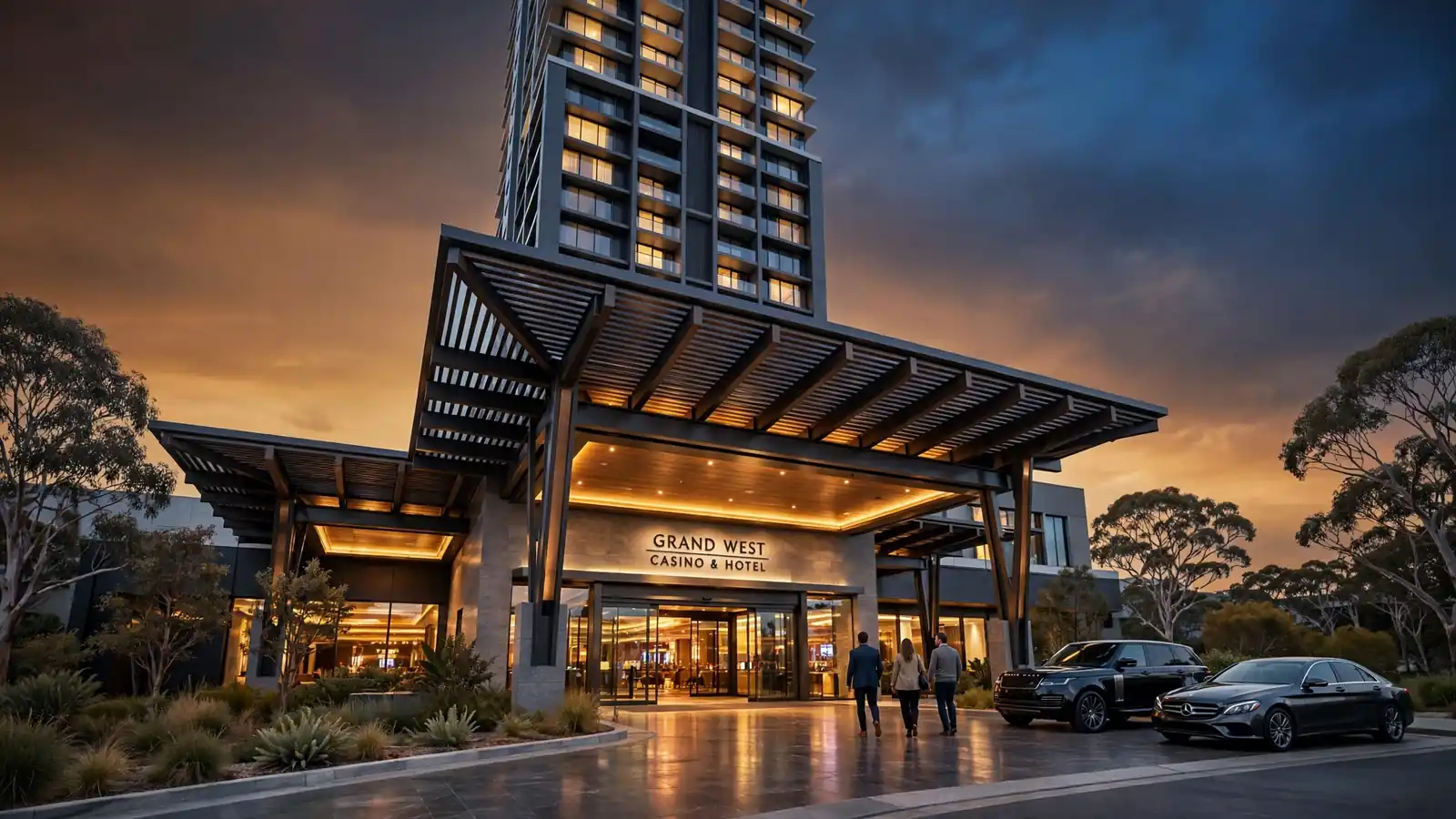
The resort label and the rewards label should also be kept separate. One describes a type of hospitality setting; the other suggests a scheme attached to a business. Neither confirms that a Queensland casino offers a particular breakfast, buffet, package or loyalty benefit. Those details belong to a current venue listing or the terms issued by the operator, not to the label alone.
Employment searches sit nearby in the same cluster, but they point to a different subject altogether. Looking for casino jobs is not evidence of a dining or rewards offer; it is a request for information about work. Vacancies, roles and application conditions can change, so a general phrase about jobs cannot establish that any position is open. Hospitality language gathers unlike interests under one roof. The roof is not proof.
In this corner of casino vocabulary, the careful distinction is between a category and a confirmed detail. Breakfast, buffets, resorts, rewards and employment all have their own practical questions. A label may help identify the subject, but it cannot substitute for current terms or a specific service description.
Online Casino Searches and the Australian Legal Boundary
A casino’s online presence and its physical venue belong to different legal categories. In Queensland, a search for an online version of a casino can lead to websites that look like conventional gambling services, but appearance does not determine whether those services may lawfully be offered to people in Australia. The central distinction is between the operator’s conduct and the position of an individual player.
The Interactive Gambling Act 2001 prohibits operators based in Australia from providing real-money online casino games to people in the country. The restriction covers casino-style play, including pokies and table games. It is not a Queensland-specific rule, and a local brand or Australian-facing website does not create an exception. Australian-run operators cannot lawfully offer these online casino services to people physically located here.

Offshore platforms sit in a less tidy position. Australian players are not themselves prohibited from using them under the stated legal framework, but those platforms are not regulated under Australian law. That does not make an offshore site an Australian-licensed service, nor does it place its business on the same footing as a lawful local provider. The operator’s prohibition and the player’s position are separate questions. A grey area, not a local licence.
That distinction matters because an online casino may be accessible without being legally authorised to serve Australian customers. Access can also be restricted: gambling platforms may use location controls, including IP-based checks, to identify where a connection originates, and services may be blocked for Australian users. Availability on a screen is not proof of regulatory approval. Nor does a platform’s own claim about its licence change the Australian rule governing the provision of online casino games.
The word “casino” can also gather unrelated expectations. A search for a Queensland casino online does not establish that a venue’s dining, parking, bingo or other on-site services are available through the internet, or that a physical casino’s facilities have an online equivalent. Those are separate matters. A website describing a venue is not itself evidence that real-money online casino play is lawful.
The same care applies to claims that a foreign licence makes an online casino safe or locally regulated. An offshore licence is not an Australian authorisation. Where an operator is outside Australian regulation, local oversight and recourse are limited; the presence of a licence from elsewhere does not erase that gap. Online access can therefore carry a mismatch between what a platform offers and what Australian law permits an operator to provide.
For anyone comparing a physical casino in Queensland with an online platform, the useful first distinction is not the branding or the games displayed. It is whether the service is an online casino offering real-money play to people in Australia. Australian-run operators may not do so, while offshore platforms remain outside Australian regulation and may be blocked. A familiar name on a website does not turn an online service into a lawful local casino.
Legal Restriction
Under the Interactive Gambling Act 2001, operators based in Australia are prohibited from providing real-money online casino games to people in the country.
Accommodation Near a Queensland Casino
A stay near a casino and a room inside one are different arrangements, even when both appear under the broad label of Queensland casino accommodation. An on-site room is part of the venue’s own hospitality operation. Nearby accommodation belongs to a separate property, with its own booking terms, facilities and travel arrangements. The distinction matters: proximity does not make a hotel a casino hotel, and a casino’s name in a travel listing does not establish that the property is connected to it.
For a trip built around a particular venue, location is more than a pin on a map. The useful questions are practical: how the route works at the intended time of travel, whether transport is available, and whether parking is offered by the accommodation or the casino. A map can show relative position, but it cannot confirm current access arrangements, parking rules or the time needed to make the journey. Those details belong to current property and venue information.
The same care applies to deals. A rate displayed by a hotel may cover a room only; it should not be read as a casino promotion or as evidence of included dining, transport or parking. Conversely, a casino promotion does not establish that accommodation is part of the offer. Terms can change, and the booking page should state what is included, which property supplies it and what conditions apply before a reservation is made.
On-site and nearby are not interchangeable
An on-site stay can place a guest within the casino property, if that venue operates accommodation. A nearby stay means lodging elsewhere, even if the route is short. Neither description, by itself, says anything about room quality, availability or price. Those are property-specific details, not qualities that can be inferred from the word “casino”.
This is a small distinction with a familiar commercial history. Hotels have long traded on location: a landmark can lend its name and atmosphere to the surrounding area, while independent businesses provide the actual beds and services. The map may make the relationship look seamless. The booking contract does not.

The phrase “near a Queensland casino” therefore needs a named destination before it can become a useful travel plan. Queensland is a state, not a single point on a map. Without a confirmed venue and property, claims about distance, convenience or a package deal would be decoration rather than guidance.
What a booking should make clear
A sound comparison separates the room from the journey and the journey from the gaming venue. The accommodation listing should identify the property, its location and its own conditions. Any claim about a casino connection, bundled benefit or parking arrangement should be stated explicitly by the party providing it. If a listing is vague, the safest reading is the narrow one: only the service clearly described is included.
Gaming machines at a venue, where offered, are a separate matter from accommodation. A stay nearby does not establish that the property has gaming facilities, nor does it establish the casino’s opening or trading hours. Likewise, accommodation availability says nothing about whether a venue is open on a particular date.
The best Queensland casino accommodation is not necessarily the closest bed to a gaming floor. It is the stay whose location, inclusions and terms are clear before travel begins. No glamour required.
Finding Casino Contact Details Without Guesswork
A venue’s address is more than a pin on a map. It determines which entrance is useful, whether a visit can be planned around public transport, and where a car can be left. Yet map listings and directory pages can persist after details change. For a Queensland casino, the dependable starting point is the venue’s own current contact information, checked against its official map or directions page before travel.
A general contact number may connect to a switchboard rather than answer a particular question. The relevant department matters: an enquiry about a car park, a table game, a bar or a concert may be handled by different teams, or not at all. If the venue publishes separate numbers or contact forms, the distinction is practical, not ceremonial. A dated directory entry is a poor substitute for a current channel.

The same caution applies to a casino map. A map can show a street address while leaving the useful details unresolved: which entrance serves visitors, whether an entrance is temporarily closed, or how the car park connects to the building. Those details should be taken from current venue directions, not inferred from a third-party map marker. A pin is not an access plan.
Car-park searches often conceal several different questions. Is parking available? Is it attached to the venue or elsewhere? Are there access restrictions, charges or changes on event nights? None can be answered responsibly by assuming that a casino has a particular arrangement. The venue’s published directions and parking information, where available, are the right place to check; if they do not settle the point, a direct call can prevent an avoidable detour.
Baccarat and craps are another distinct kind of enquiry. Their appearance in a venue search does not establish that either game is offered at a particular Queensland property, or that a table is operating at the time of a visit. Current game availability belongs with the venue’s own information. The distinction is worth keeping: a familiar casino game name is not evidence of a local offering.
Bars and concerts call for the same restraint. A bar listing may refer to a separate business, an old arrangement or a facility with limited access. A concert mention may describe a past event rather than a continuing programme. Current venue pages or direct contact can clarify whether a facility or event is actually associated with the casino. Listings travel farther than their accuracy.
This is less glamorous than a map full of pins, but it is more useful. The address, number, entrance and parking arrangements should agree across current venue channels before they are treated as settled. Where they do not, the discrepancy is itself a reason to confirm directly. A phone number copied through several directories is still only one unverified number repeated several times.
Verify Venue Details
- Check the venue’s own current contact information
- Verify the official map or directions page
- Confirm the specific entrance for visitors
- Check current car park access and charges
- Confirm the availability of specific games
Opening Hours, Events and the Casino’s Public Calendar
Whether a Queensland casino is open is a question about a particular venue on a particular date, not a description that can safely be carried from one year to the next. Trading hours may differ by facility, and temporary closures or changes can make an old directory entry misleading. A current status notice from the venue is more useful than a search result stripped of its publication date.
The same caution applies to talk of reopening. That word can refer to a temporary closure, a staged return to operations or a longer redevelopment; it does not, by itself, establish what has reopened or when. A dated announcement should identify the venue and the area affected. Without that context, “open” and “reopen” are too blunt to answer much.
Events, entertainment and development
Casino events are not a permanent fixture on a calendar. A performance, seasonal programme or public gathering needs a current listing with its date, venue and any conditions of entry. An old event page may remain visible after the occasion has passed. The calendar is a record of intentions, not a guarantee that every advertised detail will remain unchanged.
Entertainment is similarly broad. The term may describe a one-off performance or a recurring programme, but it does not confirm that a particular Queensland casino offers either. A review can help explain what a writer experienced at a given time; it cannot stand in for today’s schedule. Public calendars age quickly.
Development has a different clock. A proposal, approval, construction phase and completed project are distinct stages, though headlines often compress them into a single promise of change. Employment searches may concern positions tied to a proposed project, current vacancies or the wider hospitality industry. None of those categories establishes that a particular role is available now. A dated careers notice is the relevant record, and its status matters as much as its title.
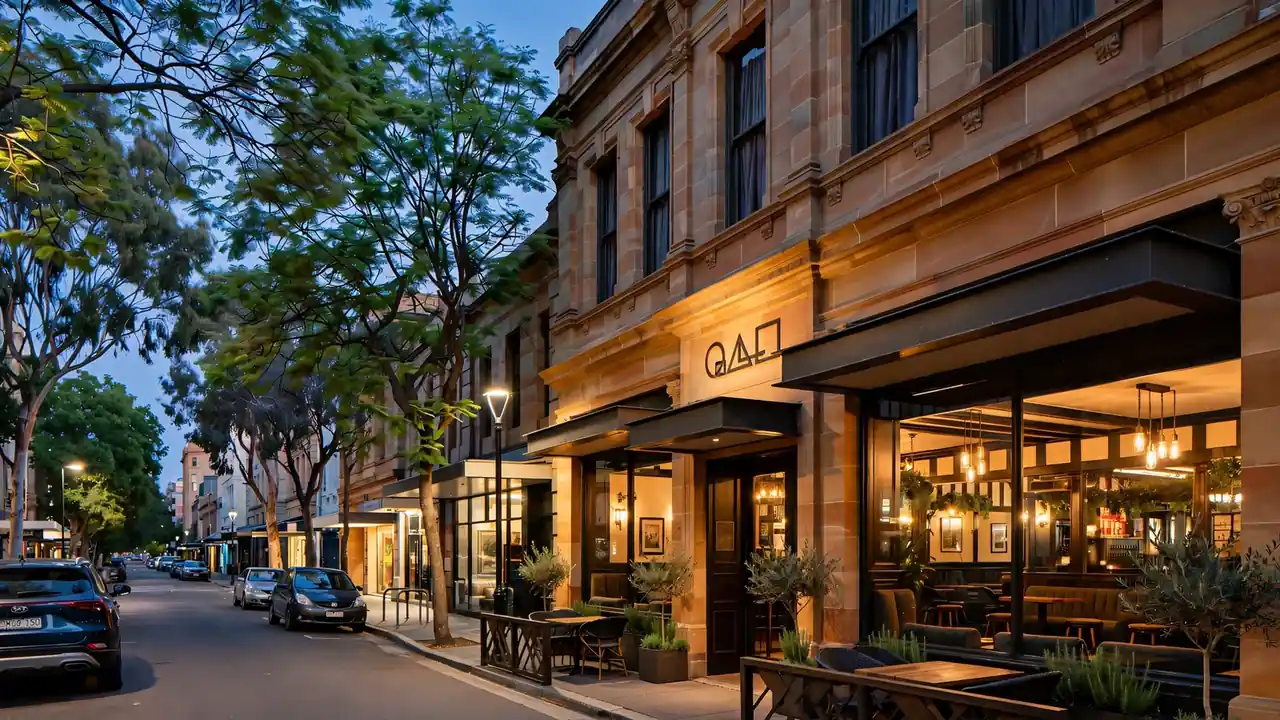
This is the small civic work hidden in venue information: separating an announcement from an operating fact. Buildings acquire plans; employers publish vacancies; event organisers publish dates. Each document answers a different question. A development announcement does not set opening hours, while a vacancy does not confirm a reopening.
Menu searches also belong to the public calendar only in a loose sense. A menu can change with the venue and occasion, so a dated, venue-specific listing is more meaningful than an undated mention. It should not be treated as evidence of current service or availability.
For anyone assessing a Queensland casino in 2026, the useful distinction is between a venue’s general presence and its present activity. Current opening information, event listings, development notices and employment advertisements each require their own dated confirmation. One announcement cannot do the work of the others.
Spa, Dress Code and Other Visit Details
A spa, a bar, a dress code and a street address belong to different kinds of information, though they often gather around the same imagined visit. A Queensland casino may be searched as if it were a single, settled destination with every amenity and policy already attached. The wording alone establishes none of that. A facility, a service and a rule each need confirmation from the venue responsible for them.
That distinction matters for spa searches in particular. “Casino spa” might describe a spa inside a casino complex, one nearby, or simply a hoped-for combination of leisure activities. Without a named venue and a current official description, none of those readings can safely be treated as fact. The same applies to a day spa: the phrase is not evidence of treatments, bookings, opening times or access arrangements. A pleasant noun is not an operating schedule.
Dress codes are similarly local. Requirements can differ between spaces within one property and can change with the occasion. A general assumption about smart or casual clothing cannot settle what applies at a particular entrance. The useful detail is the venue’s own current policy, ideally tied to the intended area rather than inferred from a photograph or an old visitor comment. Rules are less atmospheric than photographs, but more useful at the door.

Bars raise another small ambiguity: the word may refer to a venue inside a casino, a nearby business or a general expectation of resort-style hospitality. No particular Queensland bar, drinks list or service arrangement follows from the label. Nor does the word “games” identify what is available at a physical venue. It could refer to a broad gaming area or to a particular activity; a phrase without a named place cannot resolve the difference.
An address is more concrete, but even that requires care. A venue’s official site or current public listing is a better basis for navigation than a copied snippet, especially where a complex has more than one entrance or building. An address should be checked against the actual destination, not treated as a promise about parking, access or facilities.
Careers information belongs to yet another institution: the employer. A casino-related search may lead to a venue’s recruitment page, a contractor, or a listing that has expired. The employer named in the posting matters more than the setting suggested by its headline. Useful detail includes who is hiring, what role is described and whether the listing remains active.
There is a social history in these expectations. Casinos are often imagined as complete evening destinations, though the word “casino” does not certify a spa, bar, dress policy or job opening. The particulars remain stubbornly particular.
Restaurants at Queensland Casinos
Restaurant listings can make a casino seem like a single, settled destination: arrive, choose a table, order from a menu. In practice, the phrase “Queensland casino” needs a venue attached before any dining detail becomes useful. A state is not a restaurant address, and a broad label cannot establish which dining rooms exist, what they serve or whether they are operating on a particular day.
That distinction matters because restaurant names, menus, opening times and prices are details that change. A result copied from an old listing can look precise while describing a past arrangement. Even a current-looking menu may not establish that a restaurant is taking bookings or serving the same dishes at the time of a visit. The dependable sequence is less glamorous: identify the venue, then check its own current dining information.
The wording “restaurants at a Queensland casino” also leaves an important question unresolved: whether the restaurant is inside the casino complex or simply nearby. Those are different plans, with different routes and expectations. A nearby restaurant may be part of the surrounding precinct rather than a casino facility; a restaurant within a complex may still have its own entry arrangements or schedule. The label alone does not settle the matter.
A rooftop bar is another distinct proposition, not a restaurant category that can be inferred from the casino name. The words suggest a particular setting and experience, but they do not establish that a Queensland casino has such a venue, or that it serves meals. Bar, restaurant and rooftop are separate claims. Combining them in a listing does not make them one verified amenity.
There is a small social history in the way these places are imagined. Casinos are often described as self-contained worlds, where dining, entertainment and gambling sit beneath one roof. That image is convenient for marketing and for planning, but it can blur the practical boundary between a venue’s confirmed facilities and the amenities people assume should accompany it. The assumption is not a booking.
For a restaurant decision, useful details are concrete: the venue’s current name, location within or outside the complex, menu, service times, prices and booking conditions. These should be checked against information issued by the venue rather than inferred from a generic Queensland casino listing. If a rooftop setting matters, it needs confirmation as a rooftop venue specifically; a photograph or a passing mention is not a substitute for current operating information.
Restaurant searches can point towards a meal, but they cannot supply the meal’s particulars. In Queensland, the venue comes first. The menu comes second.
Food Courts and Pools: Amenities the Facts Don’t Confirm
Food courts and swimming pools belong to a different idea of a casino visit: not simply an evening out, but a self-contained resort day. The language of “casino food” can suggest that everything needed is gathered under one roof, while a pool search hints at time spent between gaming and leisure. Neither expectation, by itself, establishes what a Queensland venue actually provides.
A food court is not interchangeable with a restaurant. It implies a shared dining area, often with several counters and a casual, come-and-go rhythm. That distinction matters when planning a visit: someone seeking a quick meal in a common space may not be looking for a booked table or a particular menu. But a description of Queensland casino food should not be read as confirmation of a food court unless the venue’s own current information identifies one.
The same caution applies to a casino pool. A pool may be part of a hotel or resort, rather than an amenity available to casino visitors generally; access can also depend on the property’s arrangements. The word “casino” in a search does not settle who operates the facility, who may use it, or whether it is on site at all.
There is a small social history in these expectations. The modern casino is often imagined as an enclosed world of play, meals and recreation, with leisure designed to continue without interruption. That image can be persuasive. It is not a floor plan.
For a Queensland visit, food-court and pool details need to be checked against current information from the specific venue, with attention to whether an amenity is on site and who can access it. Without that distinction, a nearby facility, a hotel feature and a casino amenity can blur into one promise. A useful description should say which one it means.
Search language sketches an itinerary. It does not confirm the facilities.
Prepared by the Big Candy Casino editorial staff.