Casino in Brisbane: Stay, Dining and Venue Details
 Available in AU
Hotel listings, dining, parking and venue amenities can describe different arrangements, so confirm what each property actually provides.
Table of Contents
- A Casino Stay in Brisbane: Rooms, Location and the Hotel Question
- Poker Rooms and Tournaments: What the Search Does Not Establish
- Breakfast and Buffet Searches, Without Assumed Menus
- Getting There and Parking: Details That Need Checking
- Accommodation Near the Casino
- Contact, Bars and Events: Confirming Venue Information
- Opening Hours, Entertainment and the Changing Casino Precinct
- Spa, Address and Dress-Code Searches
- Restaurants and Dining at the Casino
- Food and Pool Searches: Amenities Not Verified Here
A Casino Stay in Brisbane: Rooms, Location and the Hotel Question
A casino hotel sounds like a single purchase: a room attached to an evening’s entertainment, with the city reduced to the walk between them. In practice, the phrase can describe different arrangements. A property may be operated as a hotel by the casino business, or a hotel may simply be close enough to be grouped with it in travel listings. Those are not interchangeable promises.
That distinction matters before comparing rooms or looking for Brisbane casino hotel deals. A listing’s title is not proof that the casino and accommodation share an operator, entrance, booking system or set of services. The useful details are the property name, the address, who takes the reservation and what the booking actually includes. A deal can be attractive in a headline and less so once its conditions are read. A headline is not a room.
The word “casino” can also do too much work. It may identify the district, the building or the attraction around which a stay is being planned; it does not, by itself, establish what a hotel supplies. Room categories, availability, check-in arrangements and included services belong to the property’s own booking information. Without those particulars, claims about a view, a particular room type or a bundled stay would be decoration masquerading as guidance.
Choosing a casino to play from Brisbane means checking the details that matter to you, such as available payment methods and licensing information. This list offers a concise reference to the known details for each operator.
Payout speed: crypto under 1 hour, PayID 1-3 business days · Min. deposit: A$20 (A$30 to qualify for the bonus) Ricky Casino lists crypto payouts in under an hour and PayID payouts in 1–3 business days. The minimum deposit is A$20, or A$30 to qualify for the bonus.
License: Curacao Gaming Control Board OGL/2023/176/0095 (Hollycorn N.V.) Neospin is listed with a Curacao Gaming Control Board licence, OGL/2023/176/0095, held by Hollycorn N.V.
License: Curacao · Payout speed: crypto 30-60 minutes, fiat 1-5 days · Min. deposit: A$10 Wild Tokyo lists crypto payouts in 30–60 minutes and fiat payouts in 1–5 days. Its minimum deposit is A$10, and it is licensed in Curacao.
License: Curacao Gaming Control Board OGL/2023/174/0082 (Dama N.V.) SpinsUp is listed with a Curacao Gaming Control Board licence, OGL/2023/174/0082, held by Dama N.V.
License: Tobique Gaming Commission · Payout speed: crypto ~10-15 minutes, fiat 1-5 days · Min. deposit: A$30 SkyCrown lists crypto payouts at around 10–15 minutes and fiat payouts in 1–5 days. Its minimum deposit is A$30, and it is licensed by the Tobique Gaming Commission.
License: Curacao – Antillephone N.V. (Versus Odds B.V.) · Min. deposit: EUR 20 Thor Casino is listed as licensed in Curacao by Antillephone N.V. (Versus Odds B.V.). Its minimum deposit is EUR 20.
License: Curacao Gaming Authority (Jumpman Gaming Ltd) DragonSlots Casino is listed with a Curacao Gaming Authority licence held by Jumpman Gaming Ltd.
License: Curacao eGaming (Roby Games Ltd) Roby Casino is listed with a Curacao eGaming licence held by Roby Games Ltd.
License: Curacao OGL/2024/1335/0780 · Min. deposit: EUR 20 Vegaz Casino is listed with a Curacao OGL/2024/1335/0780 licence. Its minimum deposit is EUR 20.
License: Curacao Gaming Control Board (TechSolutions Group N.V.) Bizzo Casino is listed with a Curacao Gaming Control Board licence held by TechSolutions Group N.V.
For anyone weighing a casino hotel in Brisbane against a separate hotel, the first comparison is practical rather than glamorous: how much of the trip depends on being in the same building? If the answer is “not much”, proximity and transport may matter more than the casino appearing in the hotel’s name. If the plan depends on walking between the room and the venue, the exact relationship between the two buildings needs to be clear. A map pin can indicate closeness; it cannot explain access.
The language of hotel listings often compresses these distinctions. “Casino hotel” may suggest that the hotel is part of the venue, while “hotel near the casino” makes a looser promise. Neither phrase should substitute for checking the property’s own description and booking conditions. The same care applies to photos: attractive interiors establish that a room was photographed, not that the pictured category is available for the dates in question.
Opening hours are another part of the stay that should be treated separately from accommodation. A hotel reservation does not establish when a casino venue is open, and a venue’s operating information does not establish when a hotel accepts arrivals or provides services. Hours can change, and travel plans built around a particular visit need current confirmation from the relevant venue or property. It is an unromantic distinction. Useful, nonetheless.
There is a small social history in the idea of the casino hotel. It sells proximity as an experience: the suggestion that leisure, sleep and spending can occupy one continuous setting. The arrangement makes planning look effortless, while the actual terms remain divided among operators, booking platforms and venue information. The convenience may be real, but it is not guaranteed by the label.
A sensible comparison therefore starts with the reservation itself: identify the hotel, confirm the room category and dates, read what the rate includes, and establish whether the casino is within the same property or merely nearby. Then check venue hours independently if they shape the itinerary. No single phrase—“casino hotel”, “hotel near the casino” or “room deal”—settles those questions. The better stay is not necessarily the one with the closest wording. It is the one whose arrangements are plain before the booking is made.
Poker Rooms and Tournaments: What the Search Does Not Establish
A poker room and a poker-machine floor answer different questions. The shared word poker can make them seem like parts of one offering, but a live card game involves players competing against one another; an Electronic Gaming Machine (EGM) is a machine-based form of gambling. Evidence about one would not establish the presence of the other.
That distinction matters when assessing claims about poker at a Brisbane casino. A venue might be associated in people’s minds with gambling generally, yet that association does not confirm a dedicated poker room, cash games, scheduled tournaments or a particular format. Nor does the phrase “casino rooms” settle the matter: it can refer to accommodation as easily as to a space for play. The words are familiar; the facility still needs confirming.
Legal Restriction
Under the Interactive Gambling Act 2001, operators based in Australia cannot provide real-money online casino games, including online poker, to people in Australia.
Tournament information is especially time-sensitive. Even where an event exists, its schedule, entry conditions and format can change. A past listing would not prove that a tournament is running now, and an undated mention cannot establish whether registration is open. The same caution applies to claims about regular poker nights. An event is not a permanent amenity simply because it has appeared on a calendar.
There is also a legal distinction between a physical venue and online play. Under the Interactive Gambling Act 2001, operators based in Australia cannot provide real-money online casino games, including online poker, to people in Australia. That rule concerns the provision of online services; it does not, by itself, establish whether a particular Brisbane venue hosts in-person poker. The two settings should not be collapsed into one.
A sports bar is another separate possibility, not an automatic companion to a poker room. Searching for a bar at a casino does not demonstrate that one is present, what it screens or whether it is open at a particular time. Nor does a general reference to sport establish access to betting. Sports betting remains widely accessible and legal in Australia, but that broad fact says nothing about a specific venue’s facilities or arrangements.
“Open now” and “open today” are not reliable descriptions of poker availability. A building may be operating while a particular activity is not scheduled; a tournament may be listed while the venue’s general hours differ. Current operating details and event notices need to be checked through the venue’s own information channels, where available. A map label or old event page is not a substitute for a current listing.

For anyone comparing a poker room with pokies, the difference is more than architectural. Poker makes the other players visible; an EGM places the player opposite a machine whose outcomes are generated independently. Neither label can be used as proof of what a Brisbane property offers. The practical standard is modest: confirm the specific game, event and date rather than treating “casino” as a complete programme.
That is less glamorous than a tournament poster. It is also more useful.
Breakfast and Buffet Searches, Without Assumed Menus
Breakfast sounds like the simplest part of a casino visit to plan: find a buffet, note when it opens, and fit it around the rest of the day. Yet the words “casino breakfast” do not establish that breakfast is served at a particular venue, still less that it is a buffet. A phrase can express an expectation without proving that the service exists.
That distinction matters in Brisbane, where a casino resort may be imagined as a self-contained destination, with meals arranged as part of the package. The word “resort” does a great deal of imaginative work. It suggests a certain ease: accommodation, dining and entertainment under one broad umbrella. But the label alone says nothing about which facilities are available, how they operate, or whether a particular meal is included.
A buffet breakfast has its own practical details. The name does not reveal the menu, service days, opening times, price, booking arrangements or whether the meal is open to people who are not staying on site. Those details can change, and a page describing one service should not be treated as confirmation of another. A breakfast listing, for instance, would not by itself establish that a buffet is offered.
- Look for current listings identifying the meal and service arrangements
- Check if the service applies on the intended date
- Seek confirmation directly from the venue
- Assume a “resort” label guarantees specific meal facilities
- Treat a general “dining” reference as a buffet confirmation
- Infer service details from a broad resort description
The sensible way to read venue information is narrowly. Look for a current listing that identifies the meal and the service arrangements, then check whether it applies on the intended date. If a booking platform or older page uses broad language such as “dining” or “breakfast,” that wording may not answer the more specific buffet question. Confirmation from the venue is more useful than inference from the resort label.
There is a social story tucked inside the buffet idea. It promises abundance made orderly: a spread, a queue, the reassuring sense that choosing can wait until after arrival. In a casino setting, that image can become part of the imagined holiday, even when the actual visit is simply a meal or an evening out. Expectation is not evidence. A modest distinction, but a useful one.
Searches about casino rewards can sit beside food searches because people are often trying to understand what a visit includes. The two subjects should not be collapsed. A rewards programme, if one is offered, does not establish a breakfast benefit, a buffet discount or access to any particular service. Such terms need to be stated explicitly, including any conditions attached to them. The same applies to resort packages: a general promise of a stay or experience cannot safely be read as a meal entitlement.
Employment searches are another nearby but separate matter. Interest in casino jobs in Brisbane concerns recruitment, not the availability of breakfast or buffet dining. A venue’s name in a job listing does not confirm that a food service is operating, just as a dining reference does not indicate current vacancies. Different questions, different evidence.
For anyone comparing options, the useful record is concrete: the named meal, the date it applies, the hours, the price and any booking or eligibility conditions. Where those particulars are not stated, the answer remains open rather than becoming a convenient assumption. Menus belong to operators; expectations belong to visitors. Neither should be mistaken for the other.
Getting There and Parking: Details That Need Checking
Parking is part of a visit plan, but a search for a Brisbane casino car park does not establish what is available on the day. Rates, entry points, spaces, height limits, opening arrangements and any valet service need current confirmation from the venue or its official visitor information. None should be inferred from an old listing or from the fact that a casino occupies a prominent place in the city.
The distinction matters because parking details can change with construction, traffic management or an event nearby. A map pin may identify a destination without showing which entrance is operating, whether access is restricted, or where a vehicle can be left. The same caution applies to claims of free parking: the word may describe a limited condition, an eligibility rule or a promotion rather than a standing arrangement. A headline is not a parking policy.
Planning by car also means separating the venue from the wider trip. Public roads, drop-off areas and nearby car parks may be managed by different organisations, each with its own conditions. The practical questions are plain ones: where vehicles may enter, whether a booking is needed, what charges apply, and what alternatives exist if a car park is full. Those details belong to the day’s arrangements, not to a general description of the casino.
Parking
Attention: Parking rates, entry points, and availability can change due to construction or events; do not rely on old listings or map pins alone.
The city’s gaming rules create a different kind of boundary. A physical trip to a casino and access to an online casino are not interchangeable ways of reaching the same service. Under the Interactive Gambling Act, an operator based in Australia cannot provide real-money online casino games to people in Australia; the restrictions cover pokies as well as table games such as blackjack and roulette. An Australian address or a Brisbane-themed site name does not alter that rule.
Offshore platforms sit in a separate, legally uncertain position. They are not regulated under Australian law, and their availability online does not make them a local casino service. A VPN can make an internet connection appear to come from another country, but using one to reach region-blocked pokies sites is against those sites’ terms and may result in account suspension. A changed digital location is not a change in the law.
That distinction is worth keeping in view when an ordinary parking search is mixed with phrases about online gambling. One concerns the logistics of arriving at a physical venue; the other concerns a service governed by a different legal framework. The language of convenience can blur them, though the consequences are not the same.
For a visit, the soundest plan is therefore modest: confirm current parking arrangements through official venue channels before setting out, and treat third-party listings as leads rather than guarantees. No fee, space, valet option or access condition should be assumed without a current confirmation. The useful detail is the one that still applies when the car reaches the entrance.
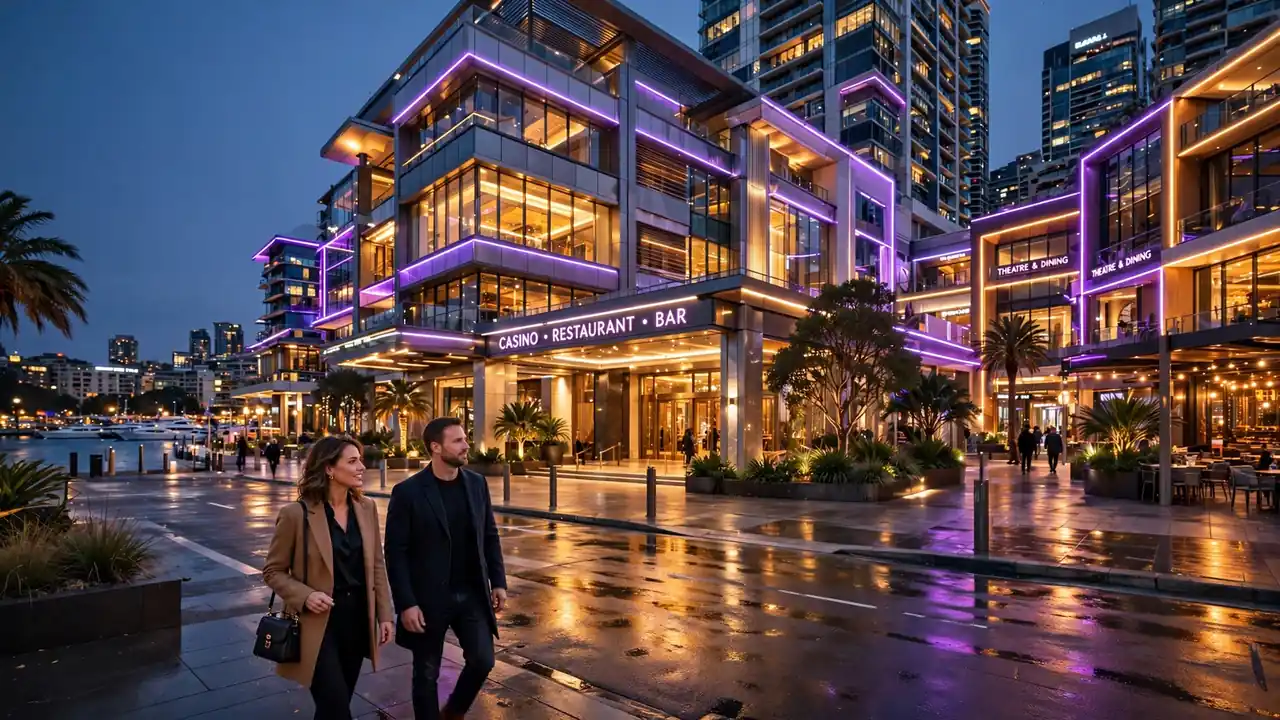
Accommodation Near the Casino
A stay near a casino and a stay in a casino hotel are different arrangements, even when both appear under the same broad travel plan. The first means choosing independent accommodation in the surrounding area; the second would mean booking rooms operated as part of the venue or its hotel complex. Treating the phrases as interchangeable can blur practical details: who provides the room, what the booking includes, and which rules govern changes or cancellation.
For Brisbane, “near” is not a useful measure on its own. A property may look close on a map yet involve a longer route on foot, while a stay farther away may suit a plan built around public transport or a car. A map pin gives a starting point, not a complete account of access. The route, street crossings, terrain and late-night transport all matter, particularly when arrival or departure falls outside ordinary daytime patterns.
Accommodation listings also need to be compared on their own terms. A headline rate can leave out conditions that shape the actual cost: cancellation terms, payment timing, included services and any additional charges stated during booking. Those details belong to the accommodation provider, not to the nearby casino. A casino promotion should not be assumed to include a room, and a room offer should not be assumed to include venue access or any particular benefit.
Accommodation operated as part of the venue or its hotel complex, often packaging the room and venue under a shared brand.
Independent lodging located in the surrounding area, requiring separate booking and travel between the room and the venue.
That distinction is useful when comparing a casino-branded stay with an independent booking. A casino hotel, where one is available, may package the room and venue under a shared brand; nearby accommodation is simply lodging in the surrounding area. Neither description alone says whether a booking is good value. The relevant comparison is between the conditions attached to each room and the practical route between the lodging and the planned activities.
The phrase “accommodation deals” can suggest a ready-made bargain. In practice, a deal is only meaningful when its dates, cancellation rules, inclusions and final payable amount are clear. Availability and terms can change, so a remembered offer or an old listing is a poor basis for planning. The same caution applies to promotions associated with a casino: they should be read as separate from lodging unless the booking terms explicitly connect them.
A sensible shortlist therefore begins with the purpose of the stay. A brief visit may make route simplicity more valuable than extra room features; a longer stay may make cancellation flexibility or access to other parts of the city more important. The useful comparison is not “closest” against “cheapest” in isolation, but location, route and booking conditions considered together.
This is ordinary travel arithmetic, though the word “deal” tries to make it sound more glamorous. A room near a casino does not become a casino room by proximity, and proximity alone does not establish convenience. The booking details decide the difference.
Contact, Bars and Events: Confirming Venue Information
A request for a casino contact number sounds simple until the number has to be trusted. Search results can preserve old listings, repeat third-party details or point to a venue with a similar name. For a call about entry, an event or a service, the safest starting point is the casino’s own current website or verified social channel. A number copied from an undated directory may still connect somewhere; that is not the same as connecting to the right place.
The same caution applies to maps. A map pin can identify a destination without showing which entrance is in use, whether access has changed or whether a particular event has its own arrival instructions. For a visit tied to a booking or ticket, the venue’s current directions and the event organiser’s information matter more than a pin alone. Parking is a separate practical question, and a map does not confirm spaces, access arrangements or charges.
Bars prompt a different kind of assumption. A listing, photograph or passing reference may suggest a place to meet, but it cannot establish that a bar is operating now, what its entry rules are or whether it is open to people who are not attending another activity. Those details can change with private functions, refurbishments or venue policy. Confirmation should come from the venue directly, especially when the bar is the main reason for making the trip.
Concert information calls for the same discipline. A past performance is not evidence of a current programme, and a ticket listing is not necessarily the final word on doors, entry conditions or changes to an event. The venue and the authorised ticketing channel should agree. If they do not, the discrepancy deserves a pause rather than an optimistic interpretation.
Verification Tip
Contacting a venue through a channel it currently controls is the only way to ensure that event dates, entry requirements, and table-game availability are current.
Game names also need careful handling. A search for baccarat or craps may reflect interest in those table games, but the wording alone does not confirm that either is offered at a Brisbane venue, where it is played, or what conditions apply. Casino terminology travels easily between cities and websites; operating details do not. Current venue information, rather than a general description of casino games, is what can settle the question.
There is a broader reason not to treat online listings as guarantees. A venue is not merely a fixed point on a map: its public-facing services and events can change, while directories keep their older versions in circulation. Contacting the venue through a channel it currently controls is a small act of verification, not fussiness. The alternative is arriving with a plan built from fragments that may never have belonged together.
For anything consequential—an event date, entry requirement, accessible route or table-game query—written confirmation can be useful, since it leaves a record of what was stated and when. A phone call may clarify a detail quickly, but the answer should be checked against current published information when plans depend on it. The practical distinction is between a listing that mentions something and the venue confirming it.
No directory can make that distinction on the venue’s behalf.
Opening Hours, Entertainment and the Changing Casino Precinct
Whether a Brisbane casino is open is a practical question, but an answer found in an old listing can become stale. Hours, access arrangements and operating status are details that can change; a page carrying no clear update date is poor evidence of what is happening now. Before making a trip, current information from the venue or an authoritative local source matters more than a cached result or a review written for a different moment.
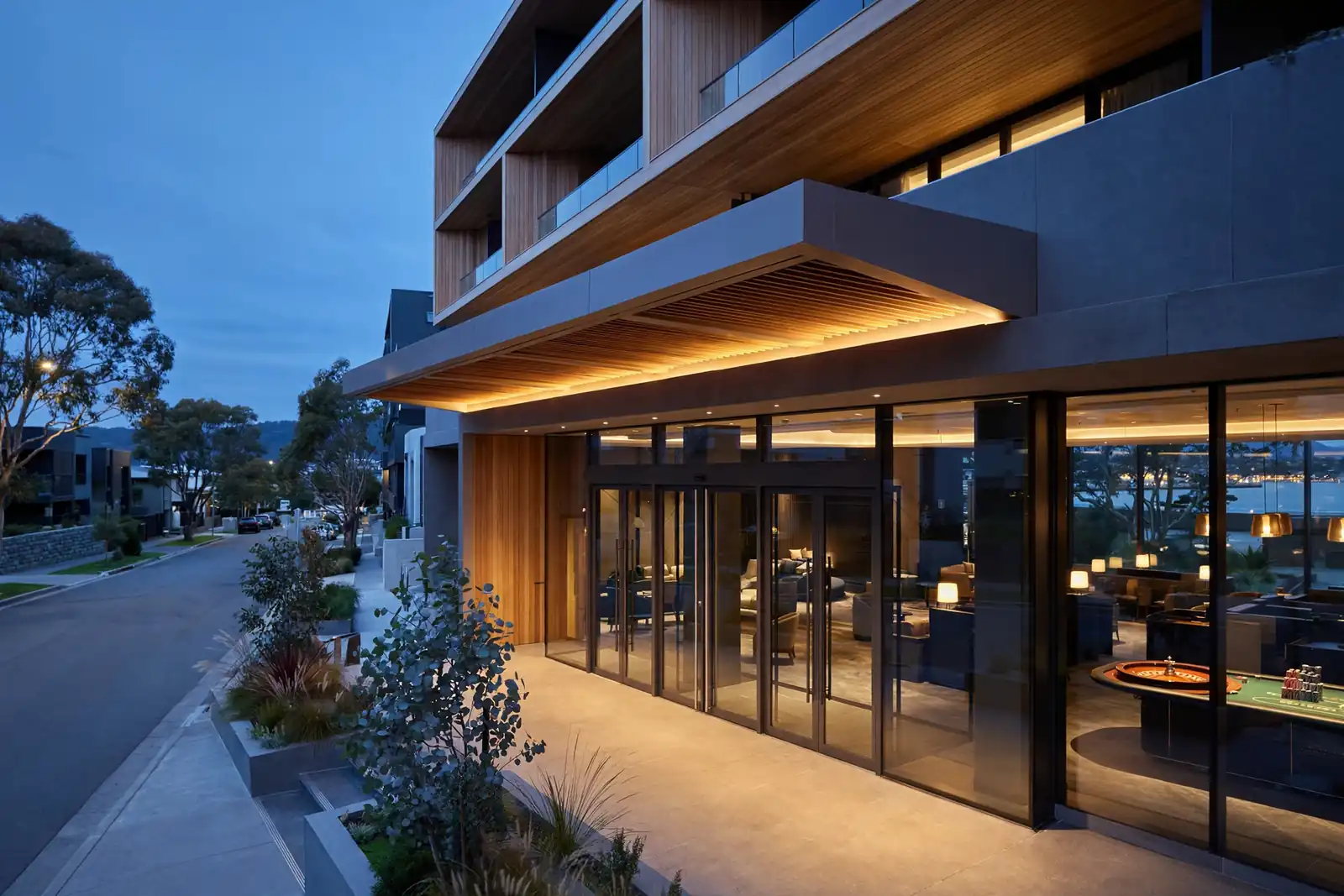
The word “reopen” often carries more history than it seems to. It may refer to a temporary closure, a change in operations, or simply a listing that has not kept pace with the place it describes. Those are not interchangeable explanations. A search phrase cannot establish which one applies, and the verb itself is no proof that a venue has closed or resumed trading. Dates and direct notices are the useful parts; speculation is not.
Entertainment brings a similar problem of time. A listing for a past performance can remain visible long after the night has passed, while a general page may say little about what is scheduled now. A review can offer an impression of a visit at one point in time, but it cannot stand in for current operating information. In a city precinct, the surrounding cultural life may change too, but that does not make every announced project completed or every proposed use a settled fact.
Development is especially prone to being written about in the future tense. Plans, approvals, construction and completed public spaces belong to different stages, though headlines can flatten them into one. A casino precinct is not merely a building: it sits within a city’s decisions about land, work, transport and public life. That wider story deserves attention, but a development claim should be tied to a dated announcement or official update rather than repeated as present reality.
Employment searches also need a little care. A vacancy is time-sensitive, and an old recruitment page does not establish that a role remains available. Nor does a search result reveal the current scale or conditions of employment at a venue. Those details belong in active listings and formal employment information, not in assumptions drawn from the size of a building or the prominence of its name.
Practical Visit Planning
- Verify opening hours and access arrangements through authoritative current sources
- Treat development claims as plans until confirmed by dated official updates
- Distinguish between physical venue status and legal restrictions on online gambling
- Use active recruitment listings rather than general venue prominence for job searches
There is a useful distinction behind all these practical questions. A physical casino’s hours and precinct activity are not the same subject as online casino access. Under Australia’s Interactive Gambling Act 2001, operators cannot provide real-money online casino games to people physically in Australia. A local venue’s current status does not alter that boundary.
The most reliable picture is therefore assembled from current notices, dated planning updates and information issued by the relevant organisations. Reviews can supply atmosphere; they cannot keep a clock.
Spa, Address and Dress-Code Searches
An address looks like a small fact until two names are attached to the same place. A casino may be described by its operator, by the wider precinct or by a nearby landmark; map results can therefore point to different entrances or use different labels for the same destination. For a visit, the useful reference is the venue’s own current contact information, checked against a map rather than inferred from a broad Brisbane listing. A pin is not an entrance.
That distinction matters more when the question is about a spa. A search for a casino spa or day spa can return a hotel, a separate business in the surrounding area, or a page that bundles several precinct services together. None of those results, by itself, establishes that a spa is operated by the casino or that it is open to the public. The name, operator and booking conditions deserve separate confirmation. “Nearby” is not the same as “inside”.
Dress codes are similarly resistant to guesswork. A photograph of a dressed-up evening crowd is not an entry policy, and an old visitor post may describe a rule that has since changed. Any published guidance should be read as venue-specific and checked for the occasion in question; expectations for gaming areas, bars or an event need not be interchangeable. Where the venue does not state a rule clearly, a direct confirmation is more reliable than a social-media recollection. Better a plain answer than a polished assumption.
The same care applies to searches for games. The word can refer to different parts of a casino’s offering, so a general results page should not be treated as a definitive catalogue of what is available on site. Specific current information belongs to the operator’s own venue channels, not to a photograph or a third-party summary that may have lost its date.
Careers information is another category that can drift away from the venue itself. A vacancy might be listed by an operator or by a business working within the precinct; the employer named in the listing is the meaningful detail. Applications and role conditions should be checked through that organisation’s official recruitment information.
These are modest checks, but they keep the address, access expectations, spa services and employment details from collapsing into one vague idea of “the casino”. Search results are good at proximity. They are less good at responsibility.
Restaurants and Dining at the Casino
A restaurant search attached to a casino can point to several different things: a dining room inside the venue, a separate business in the surrounding precinct, or a restaurant nearby that has become associated with a night out. Those are not interchangeable. The name of a district can travel farther than the venue’s actual doors.
That distinction matters in Brisbane, where “dining at the casino” may be used loosely to describe an entire evening rather than a confirmed restaurant address. A listing should be checked for the precise venue name and location before plans are made. A restaurant being close to a casino does not, by itself, establish that it is part of the casino or that access between the two is direct.
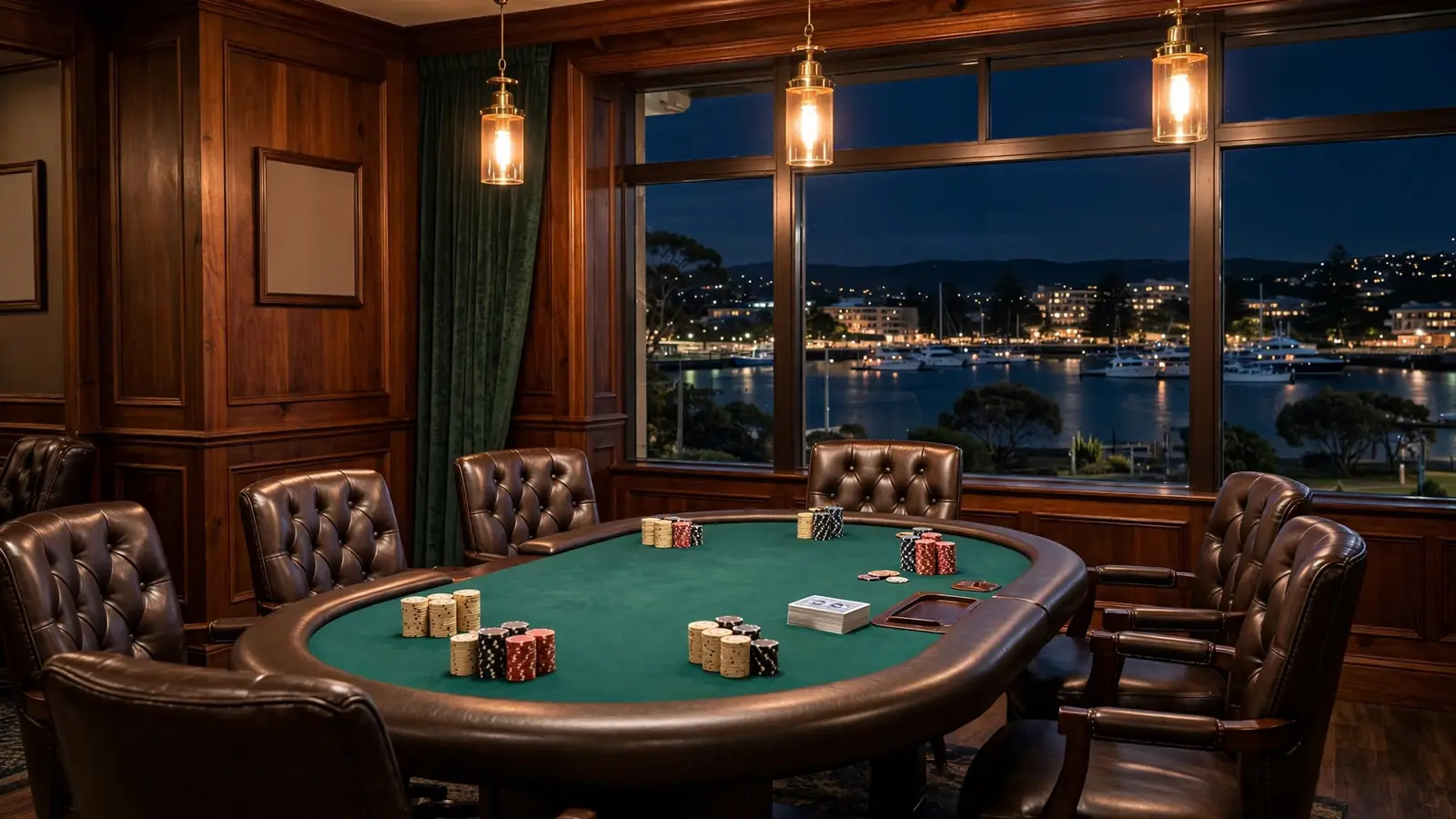
The same care applies to descriptions of atmosphere. A photograph of a dining room, a rooftop view or a polished bar can be persuasive, but it does not settle whether the place is open to the public, whether reservations are required or what is being served. Menus, service arrangements and hours can change. Promotional images are not a timetable.
A Brisbane casino restaurant can also mean different things to different groups. One party may want a meal before an evening out; another may be looking for a quiet table, a celebratory setting or somewhere to meet without gambling being the main event. The useful comparison is therefore not simply “casino or no casino”, but whether the named place suits the occasion and is genuinely located where its description suggests.
Rooftop-bar searches deserve the same scrutiny. “Rooftop” describes a setting, not an address or a guarantee of access. A venue may be separate from the casino, and a bar mentioned in local material may not be a restaurant. Before travelling, the exact business name and its current visitor information are more reliable than a broad label attached to a precinct.
There is a small social history in this confusion. Casinos are designed as destinations, while modern districts are marketed as experiences; dining, entertainment and gambling can be folded into one glossy phrase. The phrase is convenient. The geography may be less so.
For anyone comparing restaurants associated with a casino in Brisbane, the sensible unit of research is the individual venue, not the general label. Confirm its location, current service details and whether it accepts the kind of visit being planned. That keeps a meal from being built around assumptions about an address, menu or room that may belong somewhere else.
Food and Pool Searches: Amenities Not Verified Here
Food and pool facilities belong to a different category of expectation from a restaurant booking. A food court suggests several counters, informal meals and the possibility of choosing on arrival; a pool suggests leisure space with its own access rules. Neither idea should be treated as a description of a Brisbane casino simply because it appears in a venue search.
That distinction matters because amenity language can make a complex sound like a resort. A casino may be discussed alongside dining or entertainment without every facility associated with a holiday property being present. The word “casino” does not settle the question. Nor does a photograph, an old directory entry or a third-party listing establish what is available now.
For food, the useful distinction is between a named restaurant and a broader food-service area. Those are not interchangeable: counters, seating, service arrangements and access can differ, and each may change independently. For a pool, the relevant questions are more basic: whether the facility exists, who may use it, and whether entry is tied to a hotel stay, a booking or another condition. None should be inferred from the venue label.
This is less glamorous than a resort image. It is also more useful. Before building a day around casual food options or pool time, the current venue’s own information is the sensible place to confirm the facility and any conditions. If the detail is not clearly stated, contacting the venue is preferable to relying on a recycled listing.
A Brisbane casino visit and a resort-style stay are not automatically the same plan. Food courts and pools are specific amenities, not decorative assumptions. The distinction is small on a map and large once the day has been arranged around it.
Created by the ”Big Candy Casino” editorial team.